Best Films of 2025
© Warner Bros.
The precarious state of the world in 2025 was reflected in the cinematic sphere. With pandemic obstacles and guild strikes firmly in the rearview, one would think the film industry might finally be back on track, but the narratives that dominated the year foreshadow further existential peril: consolidation and theatrical exhibition uncertainty with the sale of Warner Bros. to Netflix or Paramount; the proliferation and endorsement of AI slop with Disney’s investment in OpenAI and licensing agreement for Sora; potential withdrawal from the production or acquisition of foreign-made films in light of vague and dubious presidential threats of tariffs; fewer chances taken on expensive original projects due to bad-faith media handwringing over perceived hurdles to profitability. The creative and commercial atrophy of the Marvel brand hasn’t helped, either. It also seemed an unusually cruel year for notable filmmaker/actor deaths: David Lynch, Robert Redford, Gene Hackman, Diane Keaton, Val Kilmer, Claudia Cardinale, Terence Stamp, Brigitte Bardot, Rob Reiner, Souleymane Cissé, Tom Stoppard, Diane Ladd, Robert Benton, Udo Kier, Michael Madsen, and Graham Greene, to name more than a few.
Off-screen struggles were reflected on screen, as well. If there was an overarching theme in 2025 cinema, it was, “Parents are going through it.” Across a variety of genres—drama (Hamnet, If I Had Legs I’d Kick You, Sentimental Value, Train Dreams, Left-Handed Girl), comedy (Is This Thing On?, Jay Kelly, The Phoenician Scheme, The Love that Remains), action (One Battle After Another, Avatar: Fire and Ash), thriller (Sirāt, Highest 2 Lowest, The Lost Bus), horror (Weapons, Bring Her Back), sci-fi (The Running Man, 28 Years Later), and even superhero (The Fantastic Four: First Steps)—the stress of parenting was intensely realized. So, too, was our increasingly dystopian reality in which governments, organizations, and/or technology impel suppression, conformity, and subjugation through disinformation and intimidation while feeding on fear and distrust—a theme present in Eddington, Bugonia, One Battle After Another, It Was Just an Accident, The Secret Agent, No Other Choice, A House of Dynamite, Wake Up Dead Man, The Shrouds, The Running Man, Mickey 17, and others.
Framing the year’s movies that way sounds depressing, but my experience at the theater was the opposite: it functioned as a communal space for catharsis through tears, cheers, laughter, and thrills. Even though Hamnet wasn’t a personal favorite, the experience of watching the film in a packed theater of sniffling, sobbing people who felt an overwhelming emotional connection to the material reminded me why moviegoing is beneficial for the human condition. The collective laughter at my screenings of The Naked Gun, One Battle After Another, and Marty Supreme had a similar soul-stirring effect. There’s something special about sitting in a crowded, darkened room with a superlative sound system for the breathless racing sequences of F1 and the sensational music performances in Sinners. The cinema is an essential, shared, physical space in a world where we are increasingly secluded at home in front of multiple small screens.
Speaking of the small screen, 2025 was a fairly strong year for television. Briefly, my top shows: 1. Andor S2 (the best Star Wars project since at least The Empire Strikes Back, maybe ever), 2. The Rehearsal S2, 3. Taskmaster S19, 4. Pluribus, 5. Pee-wee as Himself, 6. The Studio, 7. The Lowdown, 8. Everybody’s Live with John Mulaney, 9. Task, 10. English Teacher S2, Honorable Mentions: Severance S2, Adolescence, The Chair Company, Mr. Scorsese, Hacks S4.
I don’t think 2025 was an exceptional year for movies, but it was a good one. The top 15 are great, and my #1 and #2 eclipse their counterparts from my 2024 list, but the bench wasn’t as deep in 2025, evidenced by the unusual degree of consensus among critics and awards voters regarding the best films. For this reason, many of my favorites will not surprise. It also took longer for the really good stuff to emerge: three of my top ten didn’t arrive in theaters until late December, and three more had only limited releases in Q4. The same is true of three or four honorable mentions. So let’s get into it. Below, I have 51 titles divided among four sections: 30 good films, ten honorable mentions, one special mention that wasn’t quite eligible*, and the top ten. At the very end, I’ve specified where the top 20 are currently available to watch.
*The eligibility requirement for consideration for my list was a U.S. commercial release date, theatrical or digital, between Jan 1 and Dec 31, 2025, with the caveat that films receiving an exclusive, one-week, Oscar-qualifying run (before getting a proper release in 2026) are eligible in whichever year I see them. Those films I did see are The Love that Remains and Sirāt. Ones I did not see and thus will be eligible in 2026 include Arco, The Chronology of Water, Dead Man’s Wire, Magellan, My Father’s Shadow, Pillion, and Sound of Falling. A few other notable films I wish I had watched in time are Father Mother Sister Brother, My Undesirable Friends: Part I — Last Air in Moscow, and The Voice of Hind Rajab.
—
Good Films
The Alabama Solution | The Ballad of Wallis Island | Blue Sun Palace | Caught Stealing | Cloud | Cover-Up | Die My Love | Friendship | The Ice Tower | Left-Handed Girl | A Little Prayer | Lurker | Megadoc | Mickey 17 | No Other Land | Nouvelle Vague | The Perfect Neighbor | The Phoenician Scheme | The Plague | Roofman | The Shrouds | Sorry, Baby | Souleymane’s Story | Splitsville | Superman | Train Dreams | Urchin | Vulcanizadora | Wake Up Dead Man | Zootopia 2
—
Honorable Mentions
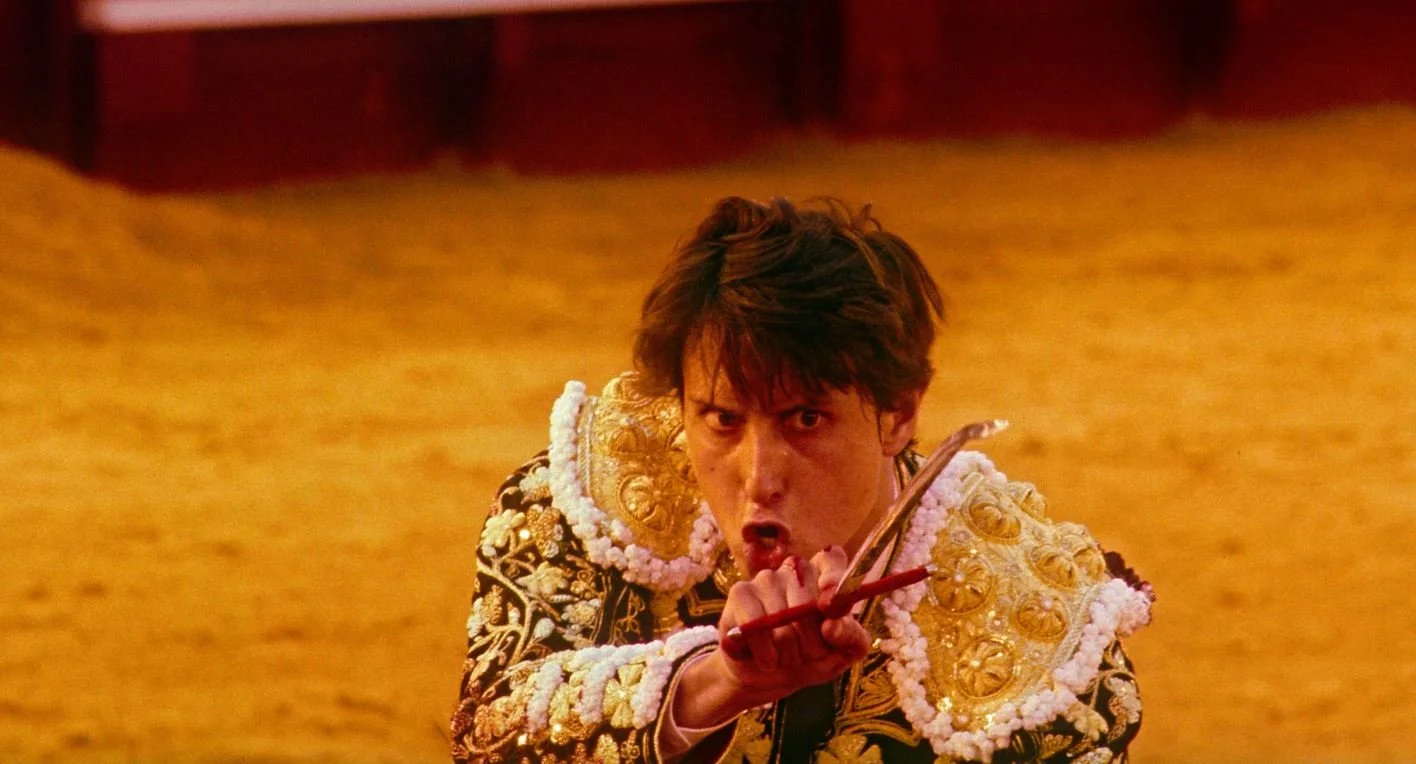
AFTERNOONS OF SOLITUDE
Albert Serra’s documentary of a revered Peruvian matador is a tough but mesmerizing watch that observes the perverse, bloody spectacle of bullfighting while eviscerating old-world codes of masculinity.
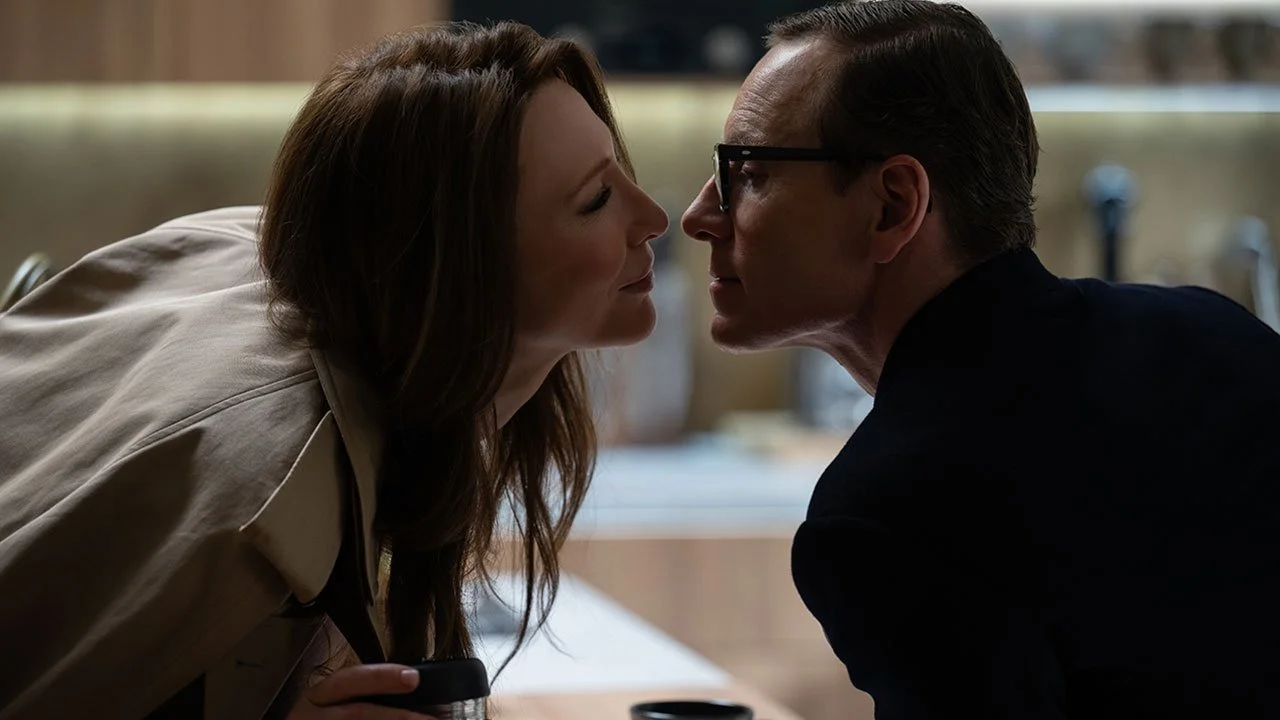
BLACK BAG
Imagine John le Carré writing The Thin Man, and you’ll get a sense of Black Bag, Steven Soderbergh’s best film in over a decade. A sexy, stylish, serpentine espionage thriller with a sterling cast and a cryptic David Holmes score.
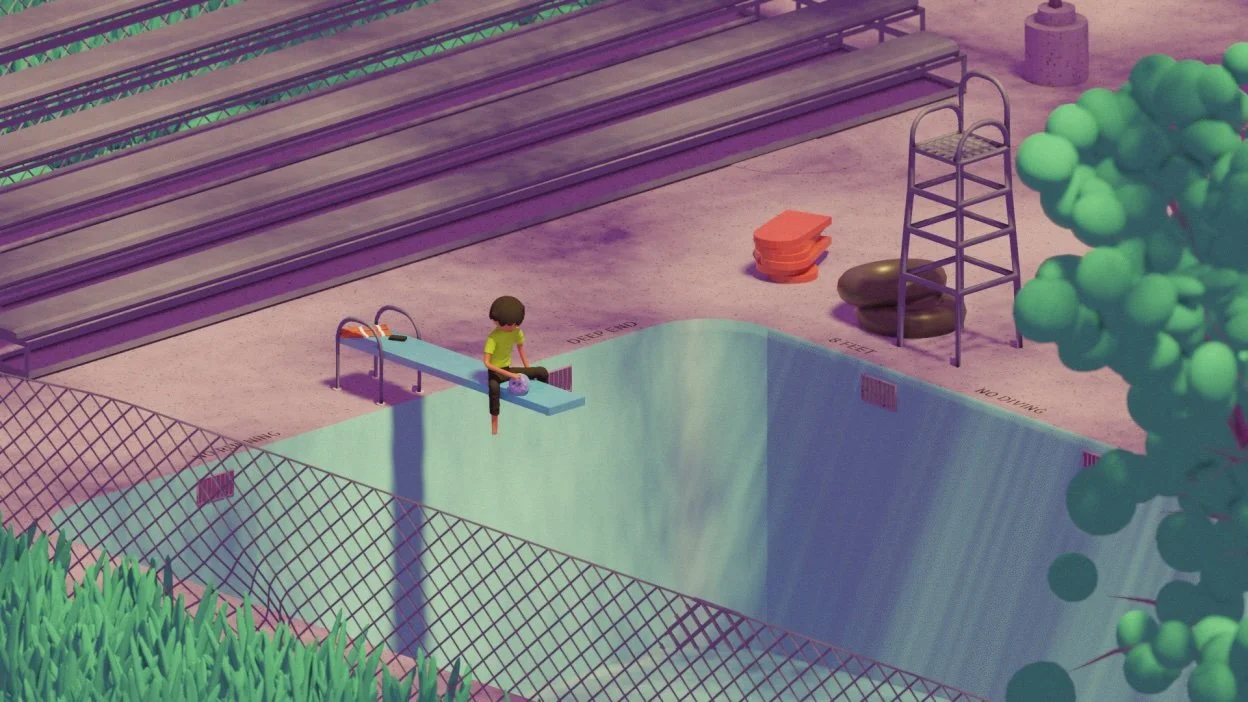
BOYS GO TO JUPITER
Animator Julian Glander’s directorial debut is a sui generis delight: a chillwave lo-fi animated coming-of-age hangout picture. Ghost World meets The Florida Project meets… E.T. the Extra-Terrestrial? Killer original soundtrack!

IT WAS JUST AN ACCIDENT
This Palme d’Or-winning thriller about a group of Iranian civilians seeking vengeance on their former political torturer is another intelligent, humanist work from Jafar Panahi, who once again defies his government through his art at the cost of his freedom.
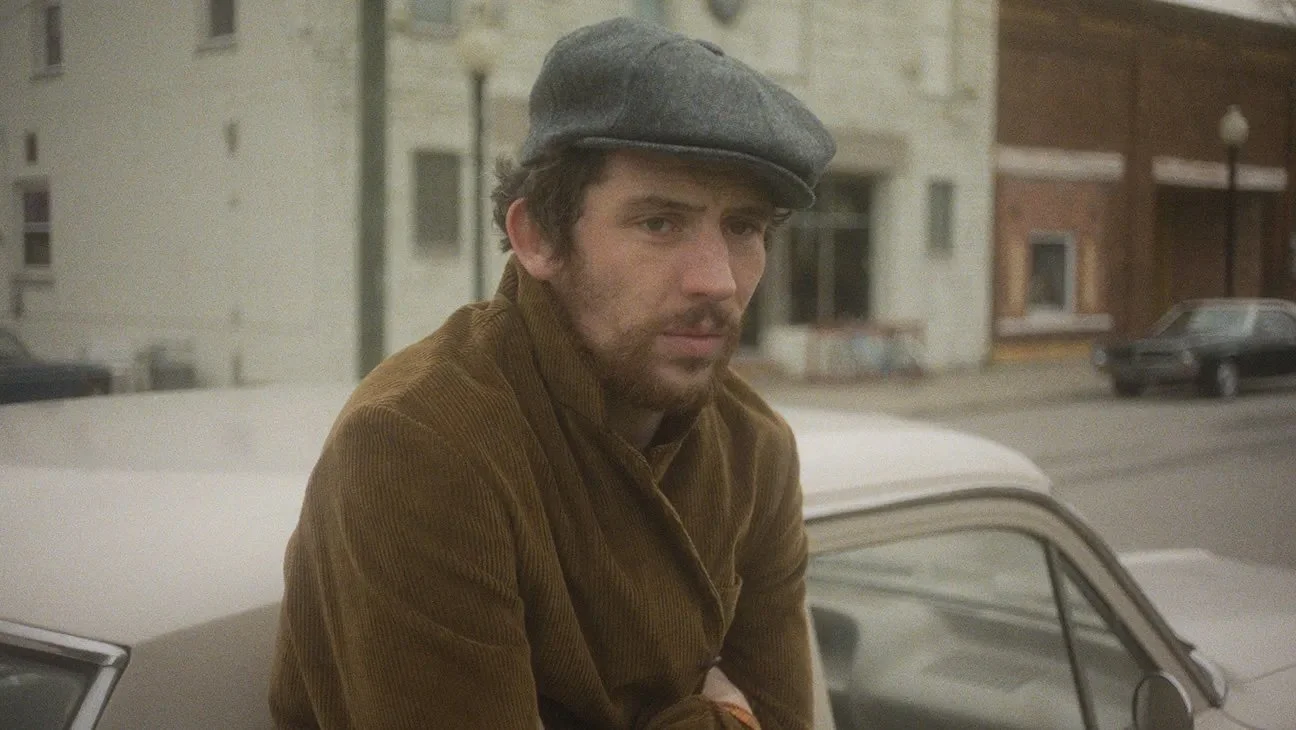
THE MASTERMIND
Kelly Reichardt’s latest is another clever genre deconstruction, here turning the heist film into a lightly comic character study of a discontented family man (the terrific and versatile Josh O’Connor) who finds himself adrift in 1970 America.
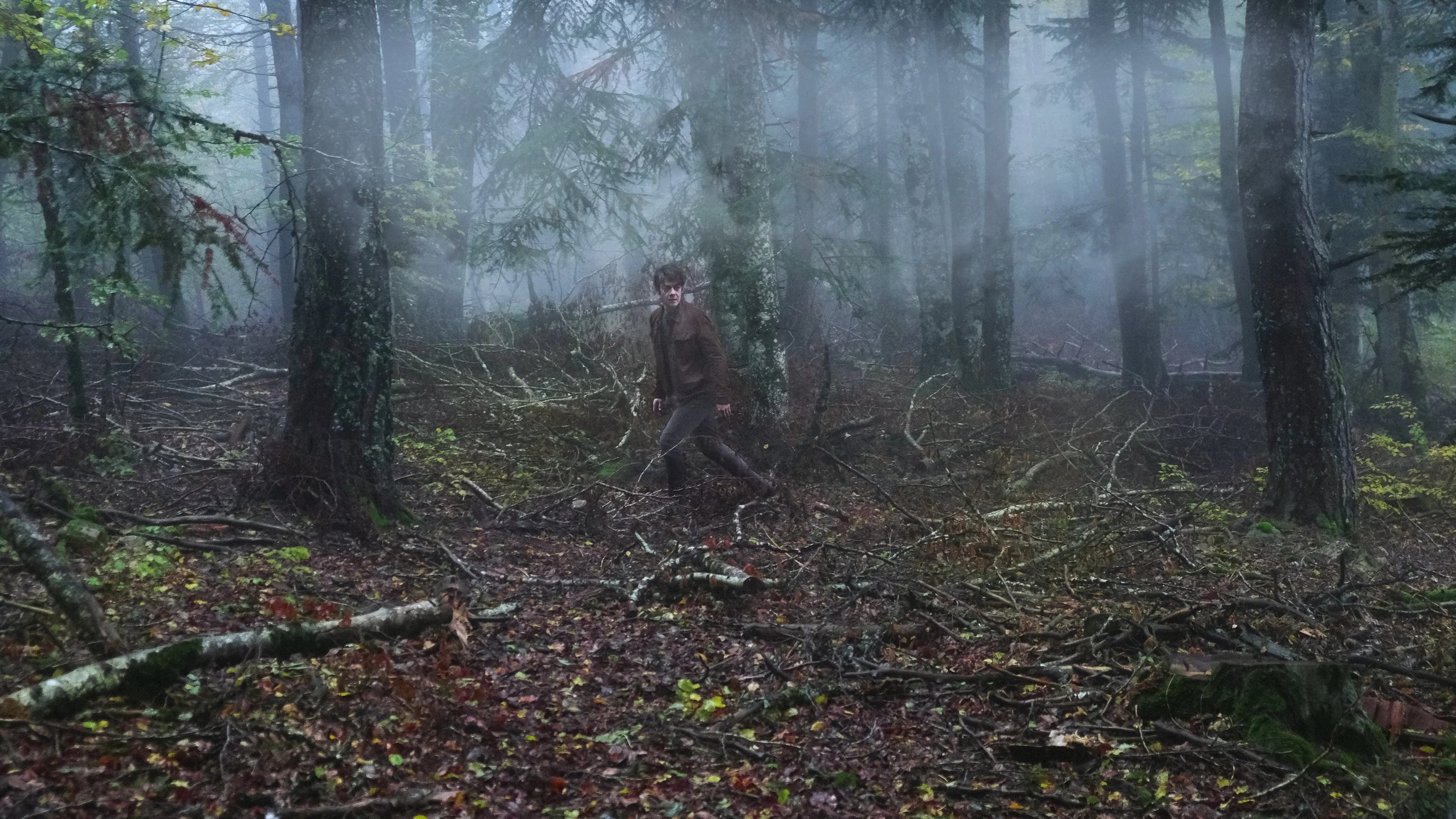
MISERICORDIA
Writer-director Alain Guiraudie examines loneliness and desire with this French thriller about a murder and its investigation in a provincial town. The picture becomes more mysterious as secrets and confessions are revealed.
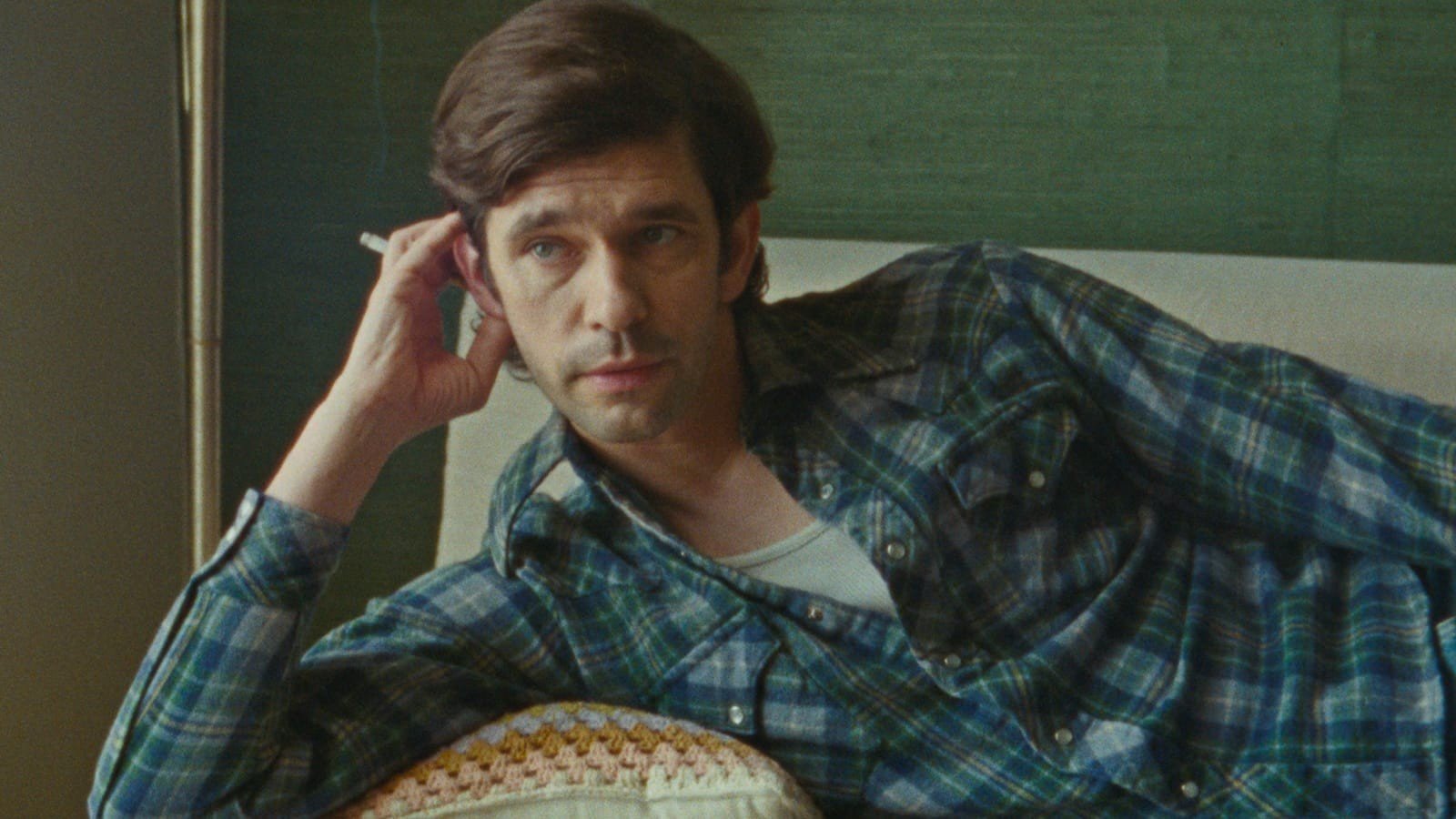
PETER HUJAR’S DAY
A day in a life, a life in a day. Ira Sachs turns a 1974 recorded conversation into a quasi-biopic of its subject, American photographer Peter Hujar. The detailed recall of a day’s activities reveals the man, thanks to the incredible Ben Whishaw.

RESURRECTION
Chinese auteur Bi Gan fuses the dream world with cinema history in this ambitious anthology sci-fi fantasy set in a future where humans sacrifice dreaming for immortality. Bi’s facility with the long take is once again on display. Marvelous production design, too.
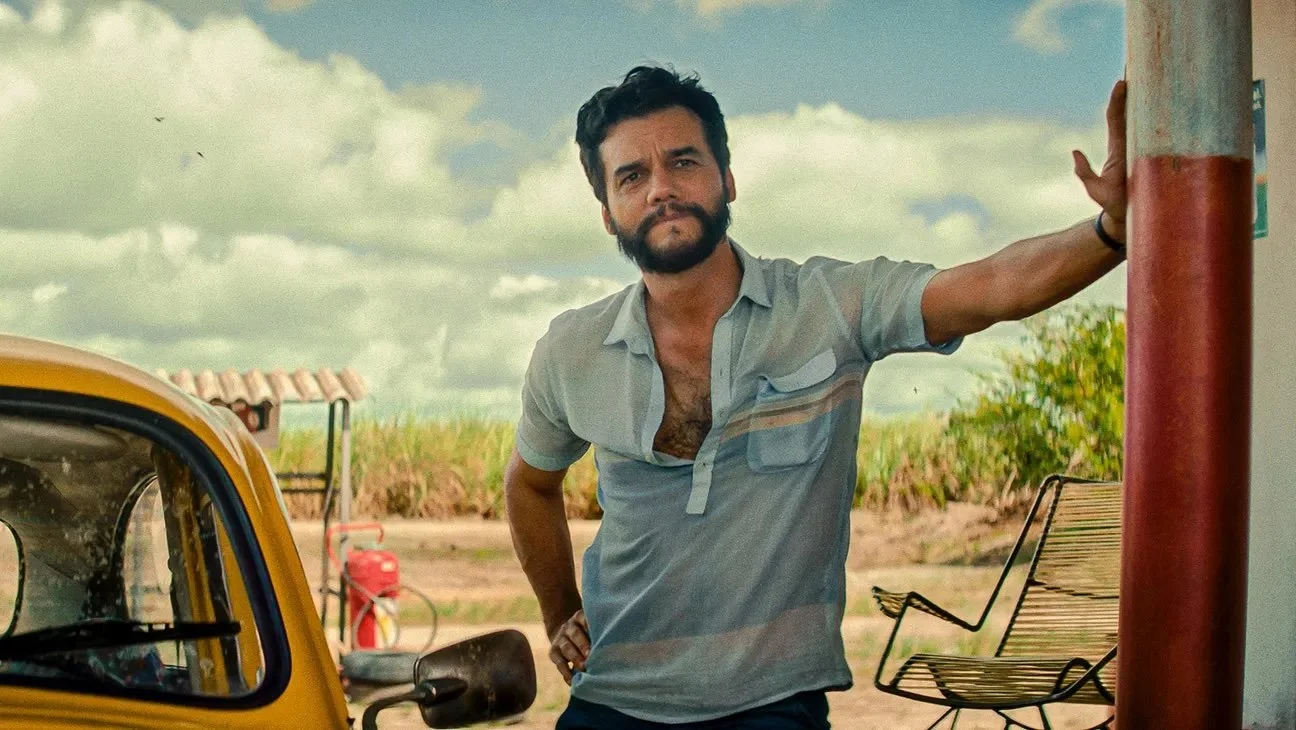
THE SECRET AGENT
Rooted in Brazil’s past but reverberating in our present, Kleber Mendonça Filho’s The Secret Agent is a poignant, slow-burn thriller about political resistance in 1970s Recife. Wagner Moura’s quietly magnetic performance ranks among the year’s best.
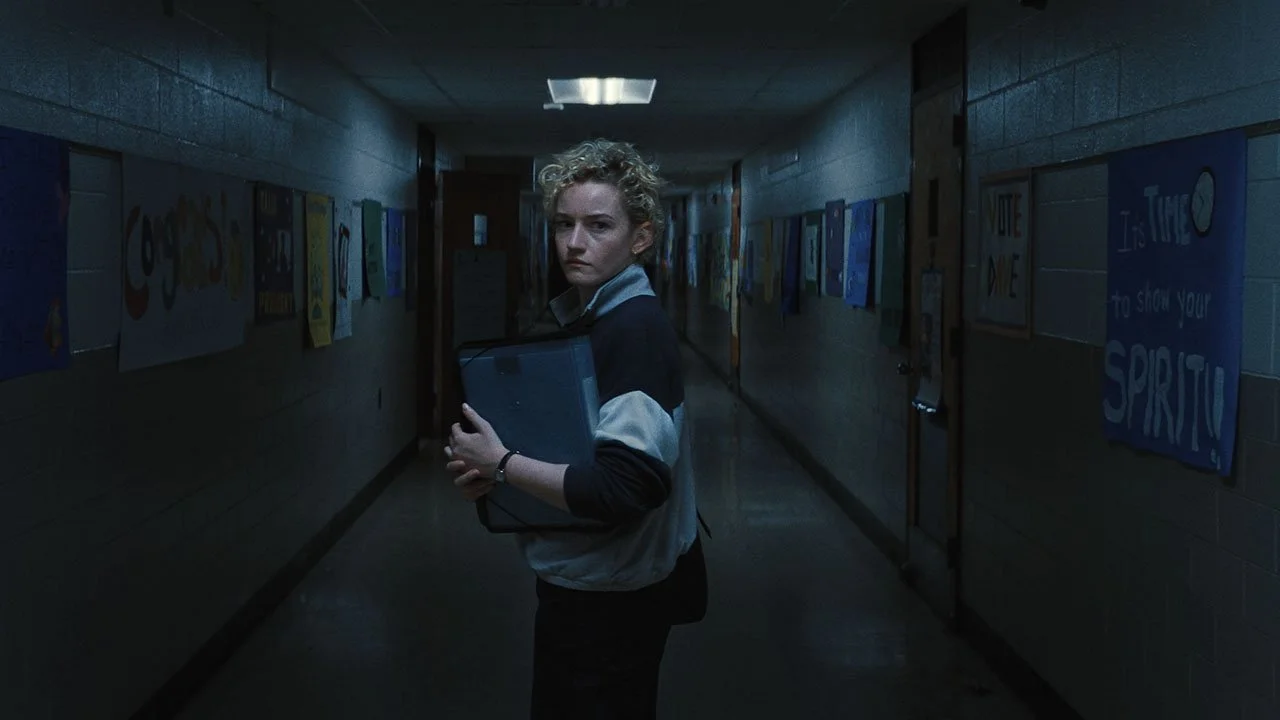
WEAPONS
Zach Cregger’s follow-up to Barbarian is another structurally dexterous and stylishly designed horror that ratchets up the mystery and tension before going absolutely batshit crazy in the third act, and I’m here for it! Superb ensemble cast.
—
Special Mention

© Lionsgate
KILL BILL: THE WHOLE BLOODY AFFAIR
dir. Quentin Tarantino
I can’t justify sliding 2006’s Kill Bill: The Whole Bloody Affair into the actual top ten list even though 2025 was the first time the combined saga of Uma Thurman’s The Bride was commercially released in American theaters. Merging Kill Bill Vol. 1 and Vol. 2 with an intermission and some edits, including a colorized Crazy 88 fight scene, elevates this action spectacle to masterpiece level. Unifying the two volumes allows the soul of Thurman’s magnificent performance to emerge. Pulp Fiction will always be QT's landmark work, and Jackie Brown is still my favorite, but Kill Bill, through its inspired synthesis of spaghetti western, samurai epic, wuxia actioner, and exploitation B-movie, is his greatest artistic expression.
—
Top Ten
© Searchlight Pictures
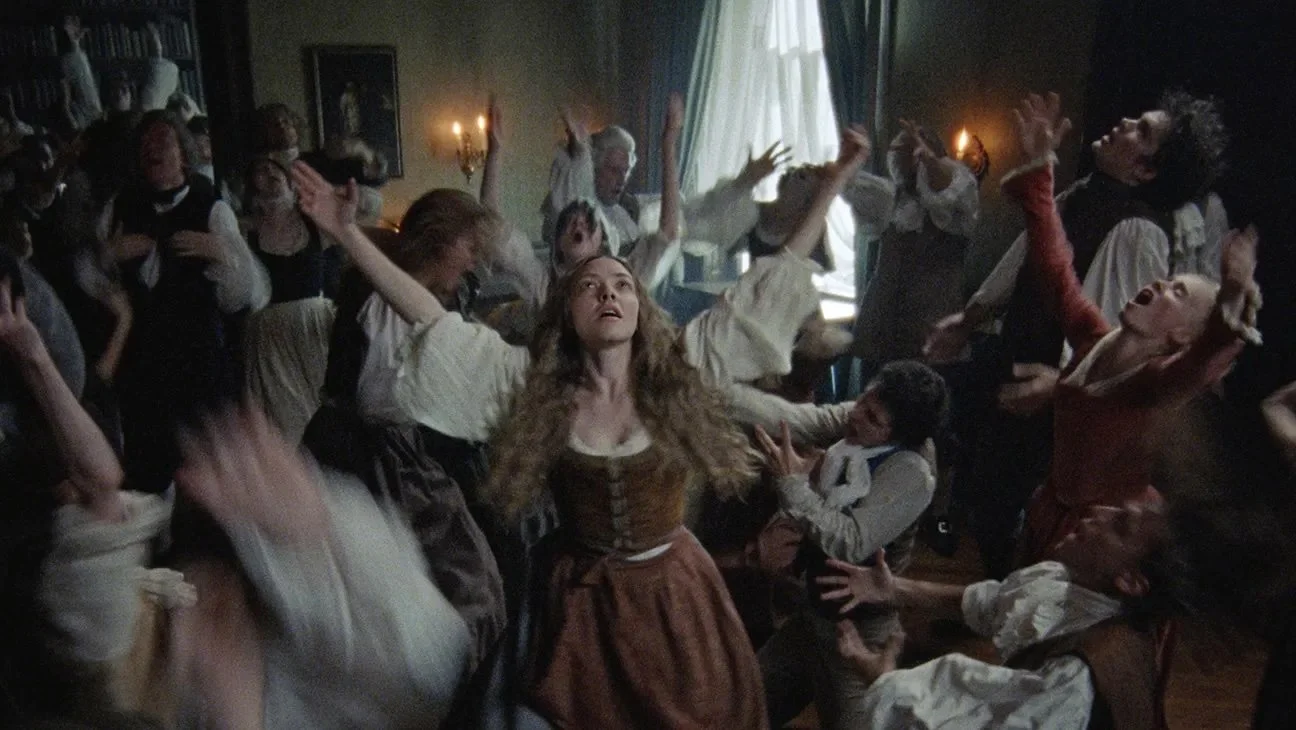
10. THE TESTAMENT OF ANN LEE
dir. Mona Fastvold
Like 2024’s The Brutalist, which Fastvold and her partner, Brady Corbet, also co-wrote, The Testament of Ann Lee is a big creative swing on an indie-sized budget. A portrait of a European immigrant arriving on the New England shores at a time of major upheaval (the American Revolution), this biopic about the founder of the Shaker religious sect employs a savvy application of the musical genre. Fastvold and composer Daniel Blumberg, drawing from the historical hymns of the Shakers, recount the life of Ann Lee (a spellbinding Amanda Seyfried singing her heart out) as if it were folklore passed down through generations in the form of song. Narrated from the perspective of one of Lee’s acolytes, the film manifests a quasi-mythology that entwines the natural and the mystical, at times blurring the line between the sect’s ecstatic, diegetic worship and an expressionistic, heightened reality more common to the movie musical, as if in an 18th century fever dream. I went in a skeptic and emerged a believer.
—
© Neon
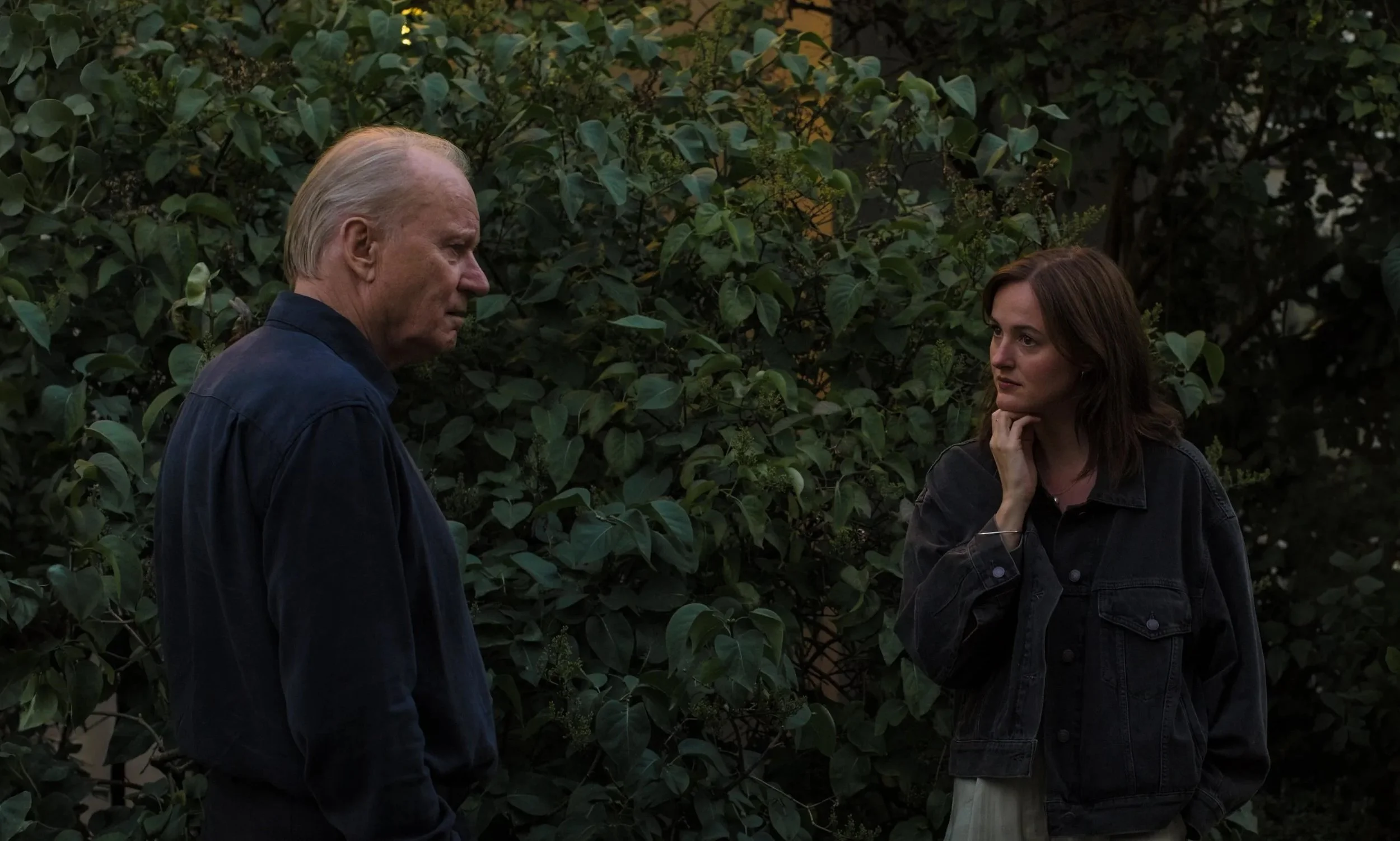
9. SENTIMENTAL VALUE
dir. Joachim Trier
The Danish-Norwegian filmmaker’s follow-up to The Worst Person in the World, perhaps my favorite film of the decade, is less situated in the cultural moment than that millennial text but explores similar themes of professional crisis, family history, and regret through the vocation of artistic creation. Sentimental Value is a quiet, understated drama centered on the estranged relationship between an actress (Renate Reinsve) and her famed filmmaker father (Stellan Skarsgård), who wants her to play the lead in his new movie. The long-held resentments and unexpressed feelings that permeate the narrative afford Skarsgård and Reinsve the opportunity to showcase some next-level nonverbal acting. They are flanked in support by Elle Fanning and Inga Ibsdotter Lilleaas as an American starlet and the other daughter/sister, respectively, to form a top-tier ensemble cast.
—
© Music Box Films
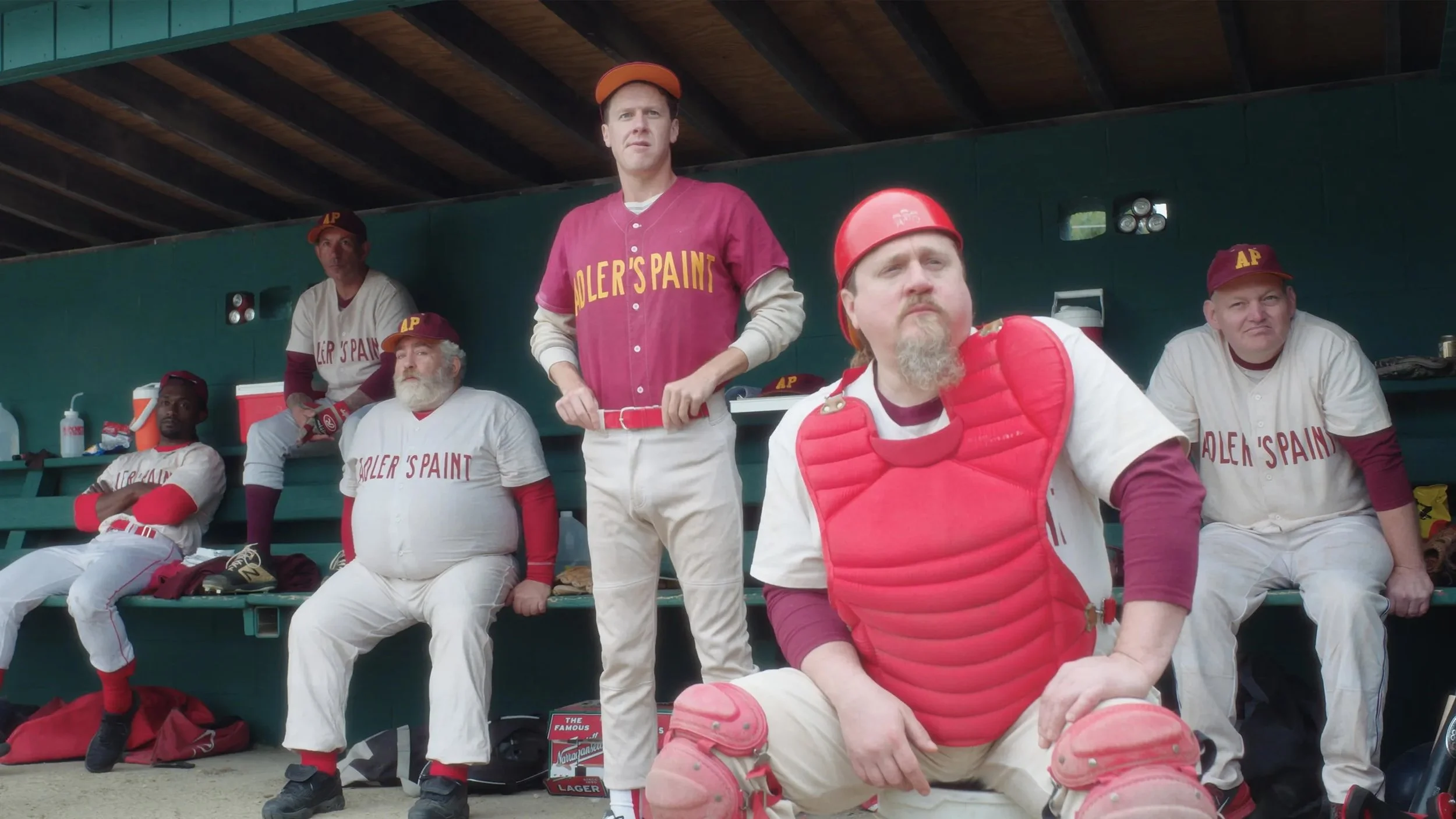
8. EEPHUS
dir. Carson Lund
Lund’s hangout sports comedy about two adult rec league teams playing one last game on their local baseball diamond before it is bulldozed to build a school is the directorial debut of the year. This leisurely film opens as an unconventional celebration of America’s Pastime before gradually morphing into a surrealist musing on inevitable change and the close of an era, at which point Lund furtively protracts diegetic time, as this ragtag group of aging men soldiers on into the night to finish their final game—a fleeting attempt to hold onto something slipping away forever. Lund keeps “normal” life just out of frame, hardly ever leaving the field of play. Populated with mostly unknown actors and true-to-life production choices, like the lack of consistency among the players’ uniforms, Eephus is a true indie gem, and it immediately joins the ranks of the best baseball movies.
—
© Warner Bros.
7. SINNERS
dir. Ryan Coogler
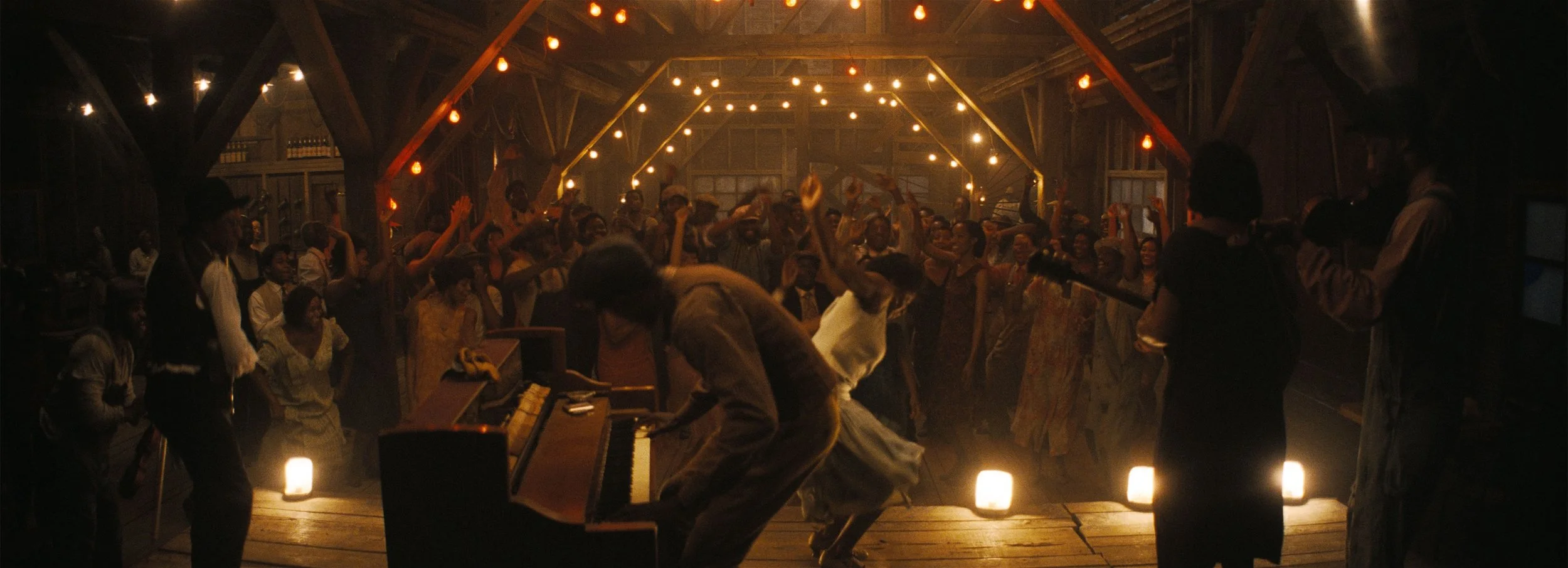
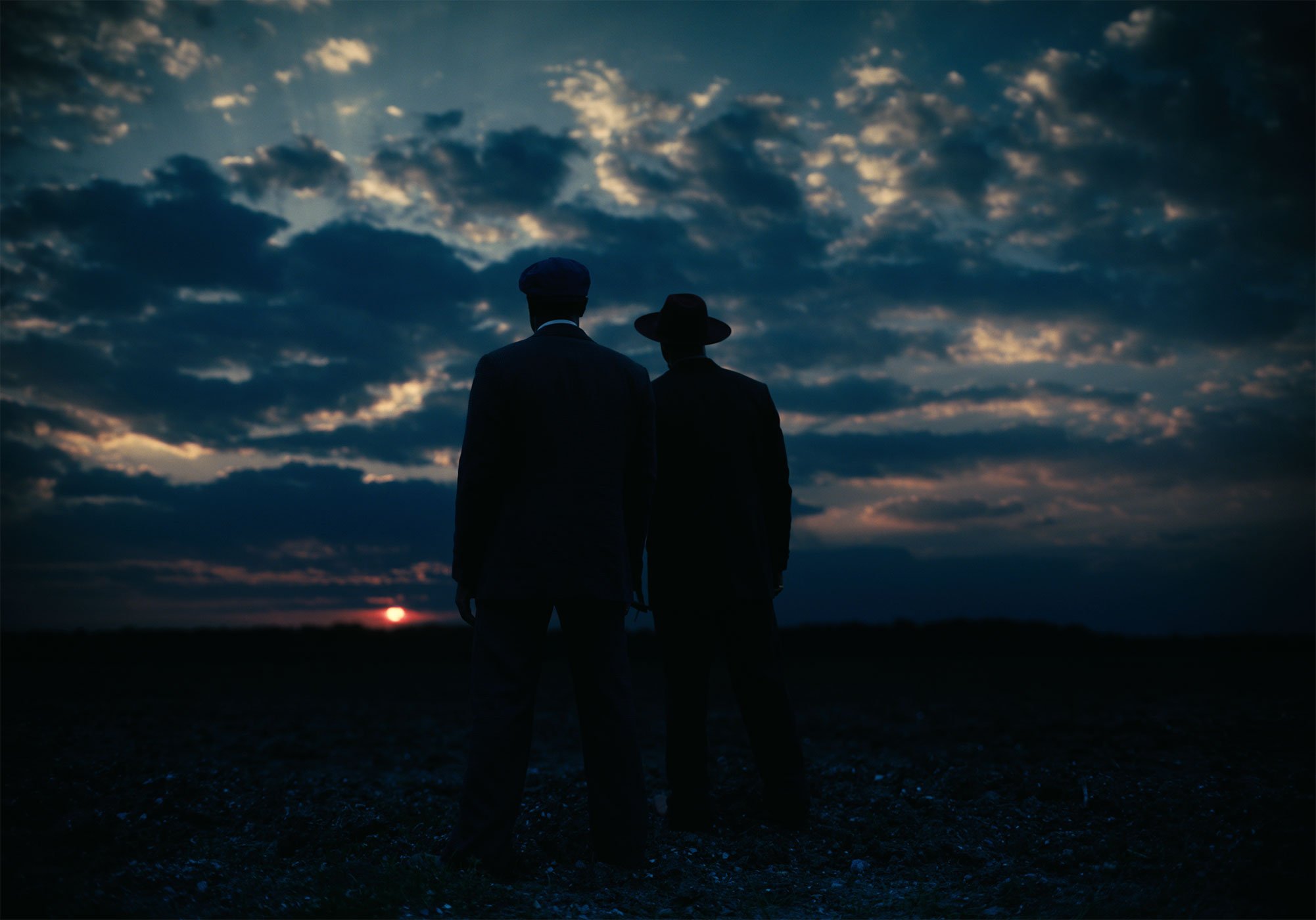
All the pre-release media coverage regarding Sinners’ distribution rights deal and commercial viability looks immensely silly after Coogler’s visionary vampire thriller killed at the box office and resonated with audiences. This Depression-era, Mississippi Delta-set tale of twin brothers, Smoke and Stack Moore (Michael B. Jordan), returning to their hometown to open a juke joint for the Black community offers a fresh, allegorical take on vampire lore to interrogate American race relations, cultural appropriation and assimilation, and religion. But the film’s beating heart is the music, which takes center stage in the year’s most electrifying scene, where gifted young blues musician Sammie (Miles Caton) performs “I Lied to You” and transcends time and space, spiritually uniting genres, artists, and dances across generations. It’s an audacious choice in a bold, original American film that sinks its fangs deep.
—
© A24
6. EDDINGTON
dir. Ari Aster
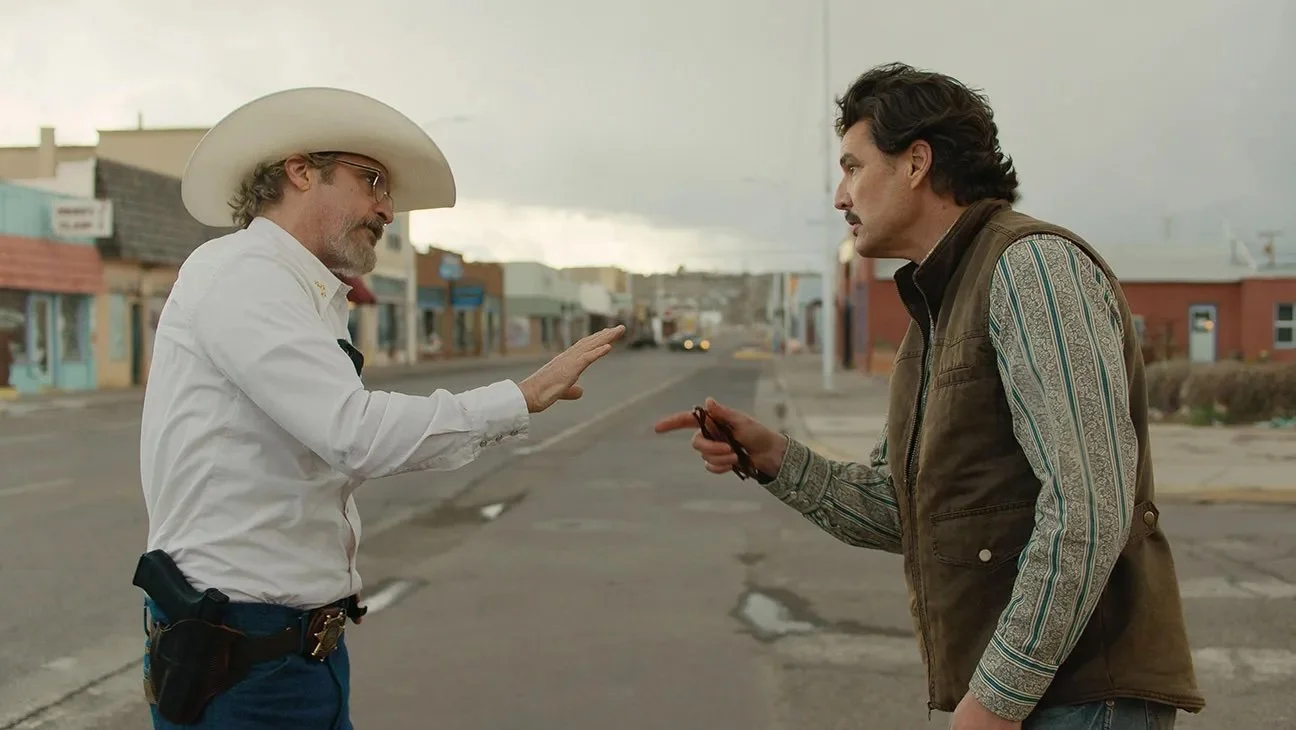
I had no desire to revisit the COVID-19 pandemic at the movies, but Ari Aster’s darkly funny and formally captivating vision changed my mind. This divisive, powder keg film of halves—first, a painfully accurate depiction of summer 2020 lockdown, then a riveting, conspiracy-minded, surrealist-tinged thriller—forges a funhouse mirror reflection of the brain rot, sociopolitical absurdity, and chaotic violence of American life that has expanded apace ever since. Like many a revisionist western, Aster daringly frames the narrative through the increasingly amoral perspective of a scumbag sheriff (Joaquin Phoenix), never providing his audience an escape hatch until the twisted payoff of its satirically rich denouement. When I first watched the film in July, I expected it would age well over the next decade, but I didn’t think it would prove perceptive just months later. Eddington is the strongest work yet from one of our most provocative American filmmakers.
—
© Neon
5. NO OTHER CHOICE
dir. Park Chan-wook
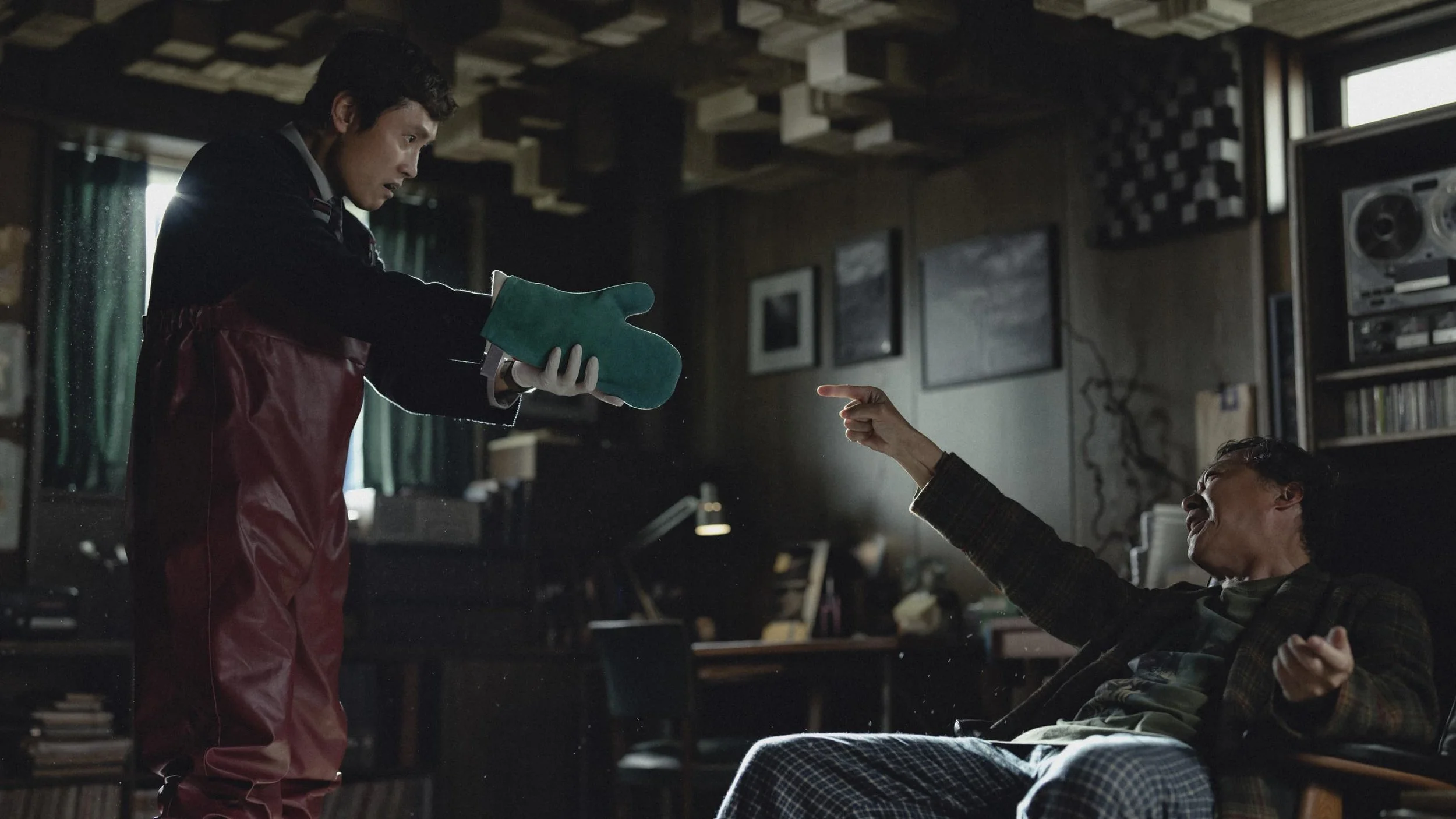
The South Korean filmmaker of sexy thrillers like The Handmaiden and Decision to Leave switches gears for this dark comedy about the extreme efforts of a family man (a dynamite Lee Byung-hun) to secure a new job after he is unceremoniously fired from a managerial role when his company is bought out by American investors. In conveying this relatable class commentary of how most of us are one misfortune away from ruin, Park deftly walks a tonal tightrope of comedy, malice, and tragedy, particularly in the movie’s macabre set pieces, while still dazzling with stylistic innovations for graphic matches, scene transitions, camera placement, and focus pulls. Few 2025 films are as tapped into the financial instability and general unease of modern life as No Other Choice, a blistering satire of the corporate greed, callousness toward labor, tech-driven downsizing, and resulting job crisis that constitute 21st century capitalism.
—

© A24
4. IF I HAD LEGS I’D KICK YOU
dir. Mary Bronstein
It’s invigorating to witness a filmmaker’s specific viewpoint and artistic vision fully realized on screen, and that’s why I watched this nerve-racking yet comical psychological drama twice in the theater. Loosely based on Bronstein’s own experiences, If I Had Legs I’d Kick You tracks the daily chaos of a stressed-out therapist (Rose Byrne) juggling a daughter with a feeding disorder, a husband away on a work trip, and an apartment with a collapsed ceiling. Bronstein locks the viewer into the protagonist’s subjectivity, often in close-up on Byrne while the daughter remains mostly off-screen as a mere voice—like her judgmental husband over the phone—demanding information and reassurances. Transmitting the exasperation and exhaustion of an overworked mother reaching her breaking point, Byrne is a revelation. As textually rich as it is formally abrasive, this second feature from Bronstein is something to behold.
—

© Janus Films
3. THE LOVE THAT REMAINS
dir. Hlynur Pálmason
This is the fourth Pálmason pic in six years to make my annual top ten list, and I think he’s one of the most exciting filmmakers working today. His latest movie, a tender portrait of a family of five attempting to maintain some semblance of normalcy as the parents separate, is a bit of a tonal departure from his other features but retains his distinct compositional style. More mood piece than narrative, The Love that Remains is delicate and funny with a melancholic undertow that threatens to pull the visual artist mother (Saga Garðarsdóttir) and commercial fisherman father (Sverrir Guðnason) under, while the children (Pálmason’s own!) go on like nothing has changed. Dreamy surrealist touches begin to appear as time passes, indicated by the gradual progress on the kids’ outdoor play area and the changing seasons in the background. The Icelandic landscape is an artistic cheat code that Pálmason loves to deploy, and how he renders it here in 35mm Academy ratio is breathtaking: the windswept beauty, the rugged terrain, the expressive skies. And I can’t forget Panda, the family’s adorable sheepdog. The Love that Remains is the best divorce film since Marriage Story.
—
© A24
2. MARTY SUPREME
dir. Josh Safdie
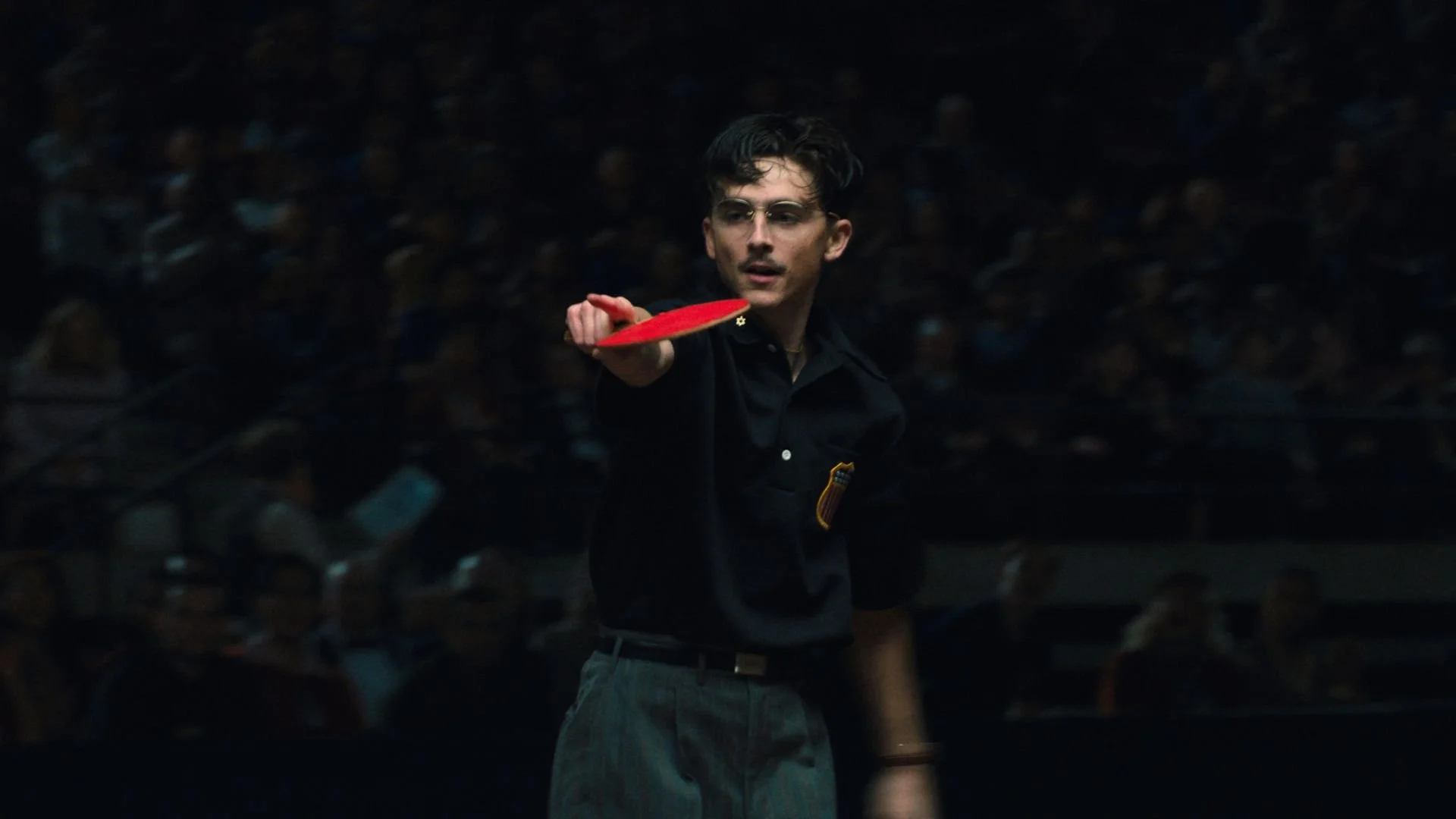
Marty Supreme functions as a capstone to an unofficial trilogy of exhilarating, star-driven, NYC-based character studies of desperate losers on the edge of ruin. After co-directing with his brother, Benny, on crime pictures Good Time and Uncut Gems (in addition to their earlier work), Josh Safdie goes solo for this 1950s sports drama. But his other longtime collaborator, Ronald Bronstein, who may actually be the secret ingredient in a Safdie Special, once again co-writes and co-edits. Inspired by the exploits of a real-life, mid-century table tennis champion and small-time hustler, this propulsive picture is the story of Marty Mauser (Timothée Chalamet), a charming asshole whose relentless pursuit of international athletic glory leaves collateral damage in his wake. We probably shouldn’t like this character, who exhibits a uniquely American brand of narcissistic self-belief that’s almost justified—at least in his own eyes—by his indisputable talent with a paddle, but we’re strapped in for the ride regardless. And for moments during the thrilling table tennis matches, we may even forget the transgressions that make this man a menace. It takes a true movie star talent to sell this character, and Chalamet is up to the task. He infuses Marty with the charisma and wit to pull characters and viewers into his orbit, if only to see how far he can go. There’s a modernity to Chalamet that works in Safdie’s favor because the film almost exists out of time, not unlike Marty, whose obsession with table tennis is out of step with American sports fandom of the era. Likewise, Safdie juxtaposes the impeccable 1950s period reproduction with anachronistic ’80s synthpop and a rousing electronic score from Daniel Lopatin. Marty Supreme is a live wire of a sports movie, a dopamine hit in cinematic form, and it would top my list in almost any other year.
—
© Warner Bros.
1. ONE BATTLE AFTER ANOTHER
dir. Paul Thomas Anderson
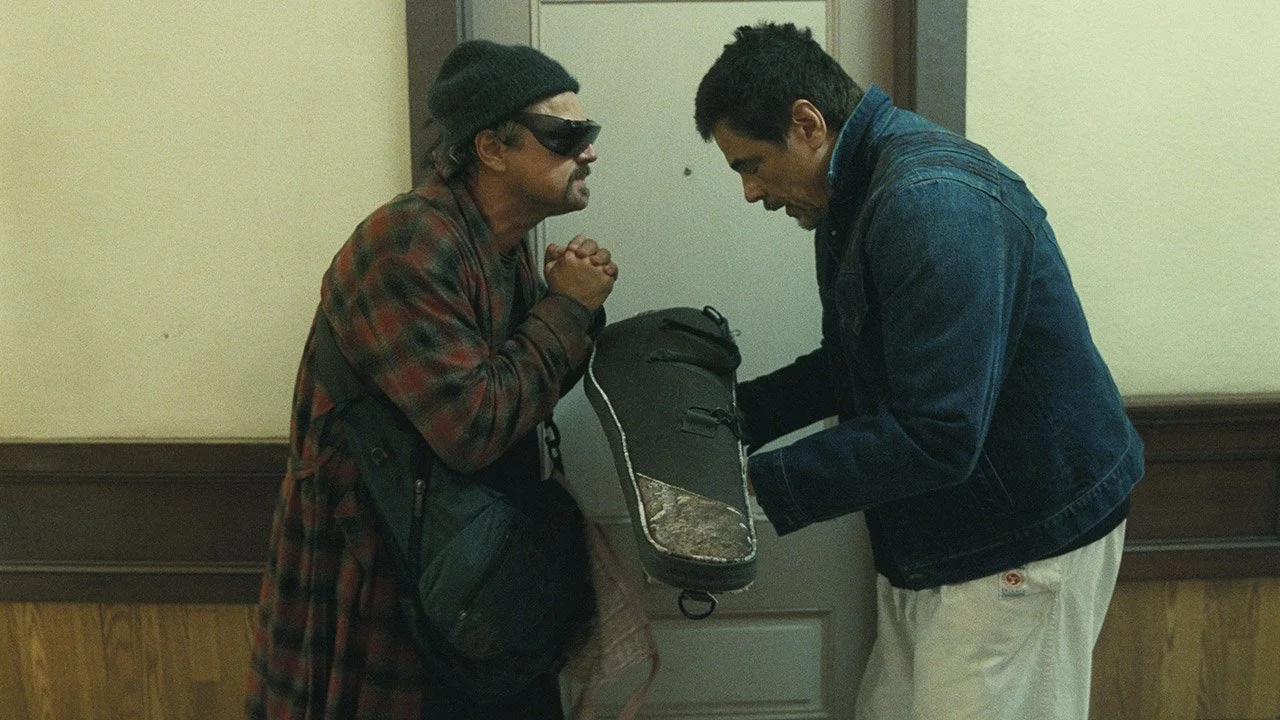
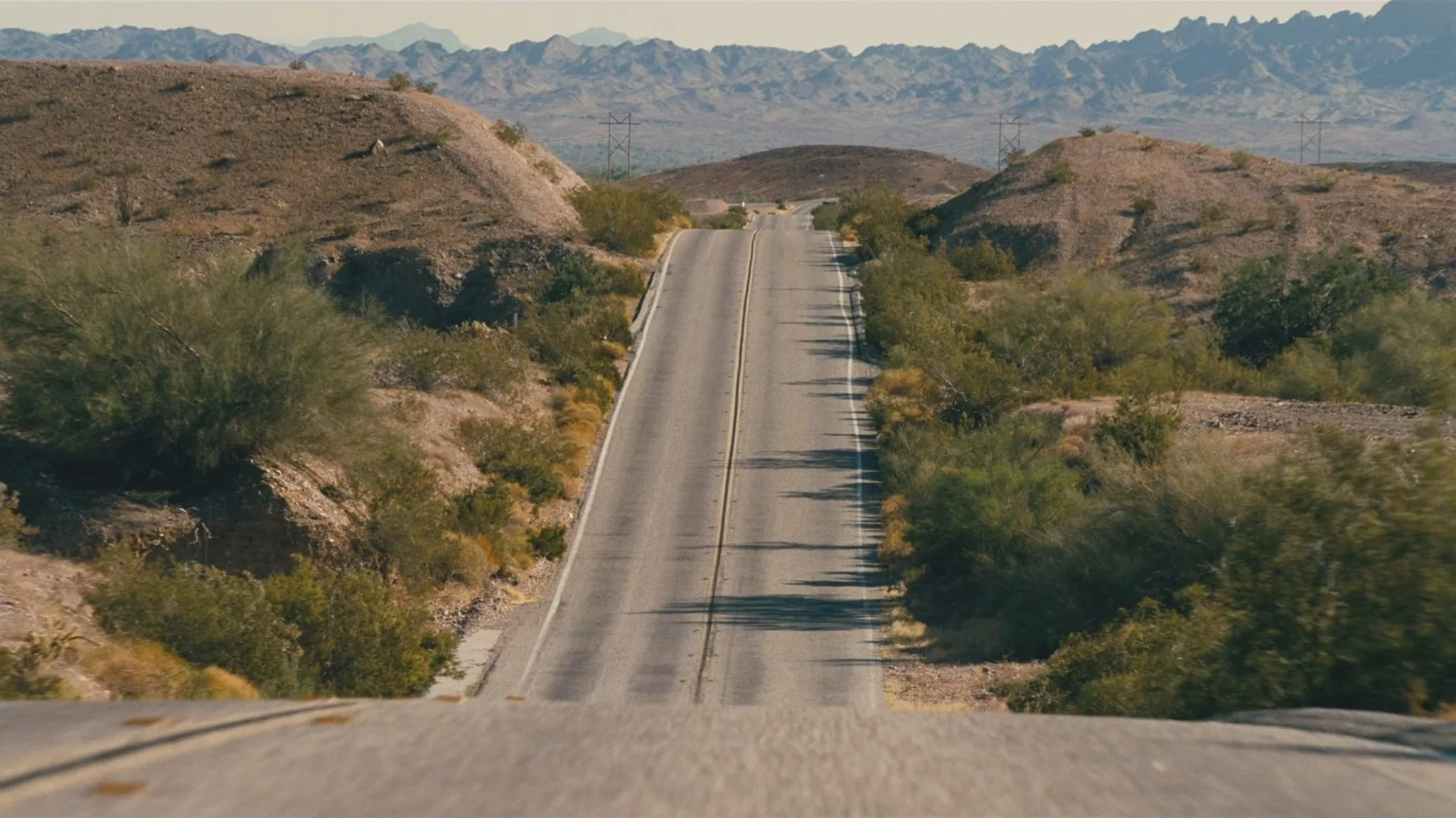
It’s anticlimactic to select the consensus best film of the year as my #1, but when one of my favorite filmmakers delivers another masterpiece, there’s no other option. A film decades in the making, One Battle After Another finds P. T. Anderson back in the present day for the first time since 2002’s Punch-Drunk Love. Loosely based on Thomas Pynchon’s 1990 novel Vineland, this politically-minded action thriller drops viewers into the world of washed-up revolutionary Pat Calhoun aka Bob Ferguson (Leonardo DiCaprio in one of his funniest and richest performances), whose old nemesis, Col. Steven Lockjaw (an appropriately unhinged Sean Penn), returns to abduct his teenage daughter (Chase Infiniti in her first film role, unbelievably) and sets in motion a chain of shadowy operations. While the narrative exists in a slightly unreal but still recognizable version of the United States, PTA does reckon with the current state of our own world in a way that is freakishly timely: revolutionary failure, political resistance, immigration crackdown, government overreach, illegal military action, white nationalism. But the film is ultimately a father-daughter tale of secrets, lies, overprotection, and love, and there’s sincere emotional resonance here amid the mayhem. It progresses with a sprinter’s pace (the 2h42m runtime flies by), a keen sense of humor, and rollicking road-movie action. Working with (by far) the biggest budget of his career, PTA makes the most of his cast, locations, and set pieces while preserving the eccentric sensibility of his previous pictures. The film’s anxious tension, initiated by Jonny Greenwood’s paranoid score, culminates in an unforgettable chase sequence featuring rolling hills, blind summits, grille-mounted cameras, and a doozy of a showdown, followed by a moment that brought tears to my eyes all three times I watched it in the theater. Already ingrained in pop culture and memed across social media (e.g., Benicio del Toro’s now iconic, “A few small beers”), One Battle After Another is an instant classic. It is the film of the moment and the year.
—
© Warner Bros.
—
Where to Watch the Top 20 Right Now:
Afternoons of Solitude - MUBI, VOD
Black Bag - Amazon Prime, VOD
Boys Go to Jupiter - VOD
It Was Just an Accident - VOD
The Mastermind - MUBI, VOD
Misericordia - Criterion Channel, Kanopy, VOD
Peter Hujar’s Day - Theaters
Resurrection - Theaters
The Secret Agent - VOD
Weapons - HBO Max, VOD
10. The Testament of Ann Lee - Theaters soon
9. Sentimental Value - Theaters
8. Eephus - MUBI, VOD
7. Sinners - HBO Max, Amazon Prime, VOD
6. Eddington - HBO Max, VOD
5. No Other Choice - Theaters
4. If I Had Legs I’d Kick You - VOD
3. The Love that Remains - Theaters soon
2. Marty Supreme - Theaters
1. One Battle After Another - HBO Max, VOD